
How a neuropsychologist can help your child’s development after brain injury.
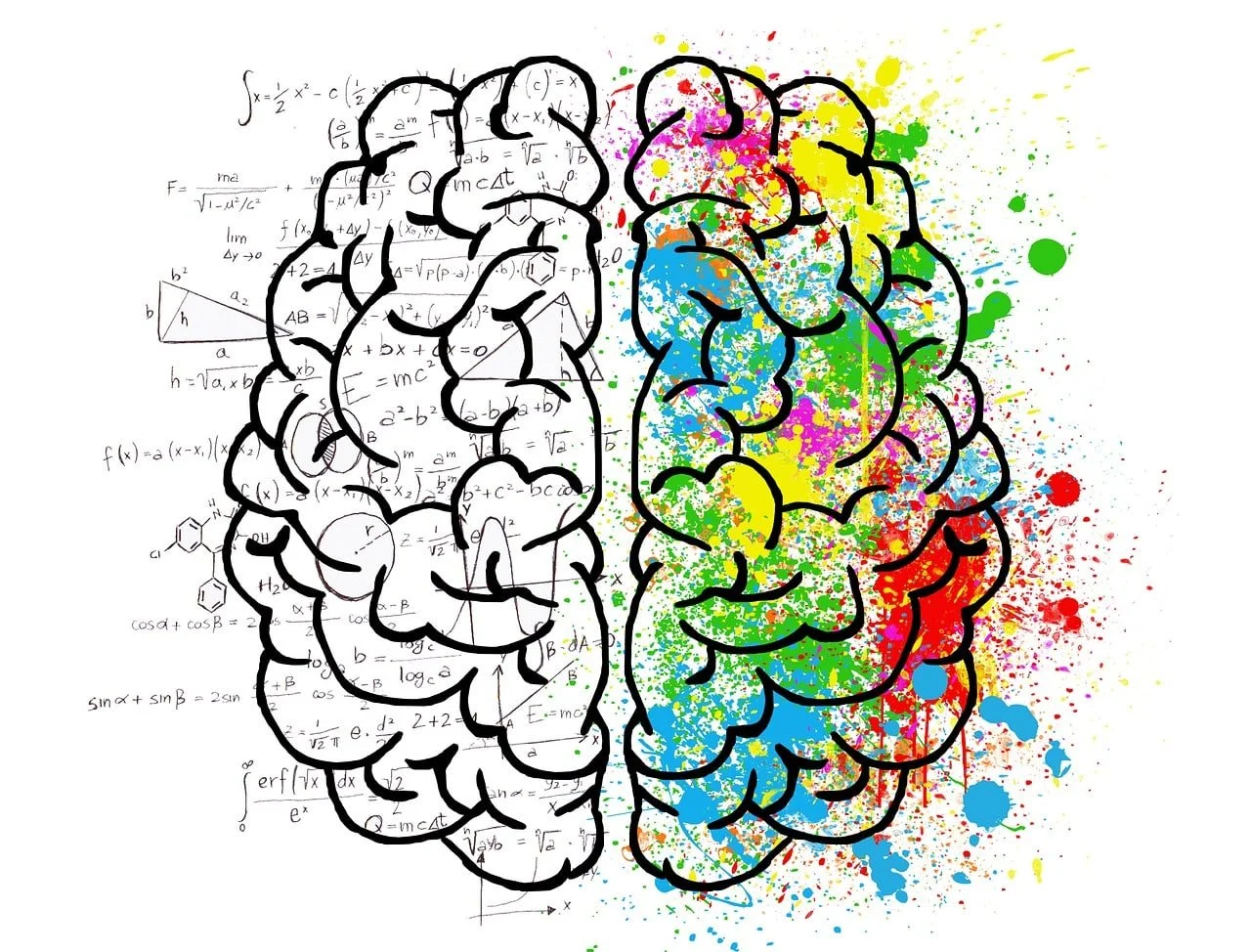
When a child sustains a brain injury, whether from an accident, illness, infection, tumour, or hypoxic event, the impact can ripple through every part of life: learning, emotions, friendships, behaviour, and daily routines. Families often notice that while the visible injuries heal, “invisible” changes in attention, memory, processing speed, and self-regulation linger. This is where a paediatric neuropsychologist can make a profound difference by helping to understand what’s changed, building a plan for recovery, and supporting your child to thrive at home and school.
What is a Neuropsychologist?
A neuropsychologist is a clinical psychologist with advanced training in how the brain affects thinking, emotions, and behaviour. In children and young people, we consider developmental trajectories which means how skills typically grow with age and how an injury may disrupt or alter that path. Our work integrates:
Neurodevelopment (how the brain matures from infancy to adolescence)
Cognition (attention, memory, executive functions, language, visuospatial skills)
Emotion & behaviour (anxiety, mood, motivation, social communication)
Ecology (home, school, peer contexts, and community support)
Why Children Need Specialist Support After Brain Injury
Children aren’t “small adults.” Their brains are still developing, so an injury can affect skills that haven’t fully emerged yet. It’s common for new challenges to appear months or years later, often called ‘late effects’. A group of skills called executive functions (planning, organisation, inhibition, flexible thinking), which mature into adolescence, are particularly vulnerable to late effects. A neuropsychologist anticipates these changes and plans proactively to reduce future impact.
The Neuropsychological Assessment: A Map of Strengths and Needs
A comprehensive paediatric neuropsychological assessment typically includes:
History & context
Medical notes, injury details, developmental history, family observations, and school reports.
Standardised testing
Attention (sustained, selective, divided), processing speed, working memory, verbal and non-verbal reasoning, visual memory, learning, language, executive functions. Emotional wellbeing and behaviour measures.
Functional observation
How your child copes in real-world tasks: classroom demands, transitions, fatigue, sensory load. You will probably be asked to complete questionnaires about this.
Formulation & feedback
A clear explanation of what’s going on and why—linking brain changes to everyday difficulties and identifying strengths to build upon.
Action plan
Tailored recommendations for home and school, goal setting and team working.
This assessment becomes a blueprint for intervention, education planning, and monitoring progress over time.
Targeted Interventions That Make a Difference
Neuropsychologists coordinate practical, evidence-informed strategies across domains:
Attention & Processing Speed
Short, structured learning blocks; reduce distractions; visual schedules; allow extra processing time; use cueing; teach “stop–plan–do–review.”
Memory & Learning
Teach memory aids (notebooks, apps, photo cues); chunk information; repetition with spaced practice; multi-sensory teaching; advance organisers; retrieval practice.
Executive Function (Planning, Organisation, Flexibility)
Goal-setting frameworks; checklists; external supports (timers, planners); task breakdown; practice mental flexibility with “if–then” plans; coaching for transitions.
Communication & Social Cognition
Language therapy collaboration; explicit teaching of social rules; role-play; visual supports; reduce figurative language; allow extra time to respond.
Fatigue & Sensory Regulation
Graded activity plans; rest breaks; light/noise adjustments; “energy budgeting”; school day modifications.
Emotional Wellbeing
Psychoeducation for child and family; trauma-informed support; CBT/ACT strategies; behavioural activation; sleep hygiene; parent training; peer inclusion plans.
Working With School: Turning Recommendations into Reality
School is central to recovery and wellbeing. Neuropsychologists help translate clinical findings into concrete educational supports:
SEN Support & Reasonable Adjustments (Equality Act 2010): seating, extra time, reduced homework load, alternative assessments, assistive tech.
EHCP (Education, Health and Care Plan): where needs are significant or long-term, we contribute assessment and recommendations for an EHCP, liaising with the SENCO and local authority.
Return-to-Learn after concussion or TBI: phased re-entry, cognitive rest, symptom monitoring, graded increase of demands.
Staff training: empower teachers/support staff to recognise fatigue, manage transitions, scaffold tasks, and measure progress.
Coordinated Care: Your Child’s Team
Recovery is a team effort. A neuropsychologist often coordinates with:
Paediatricians, neurologists/neurosurgeons: medical management and follow-up.
Therapists: occupational therapy (sensory, functional skills), speech & language therapy (communication), physiotherapy (motor), and educational psychologists.
Mental health services: CAMHS or community psychology for mood/anxiety support.
Community & charities: e.g., brain injury organisations offering family resources and peer support.
Case management (where relevant): integrating health, education, and social care.
Measuring What Matters: Goals and Outcomes
We set SMART goals (Specific, Measurable, Achievable, Relevant, Time-bound) that reflect what’s meaningful to your child and family:
Attend morning classes with two planned rest breaks.
Use a visual planner daily to complete homework with one adult prompt.
Reduce classroom overwhelm with a quiet space and noise-dampening headphones.
Increase independent organisation (bag, planner, PE kit) by using a two-step checklist.
Progress is reviewed regularly; plans adapt as your child grows and demands change.
Common Questions Parents Ask
“Will my child catch up?”
Many children make excellent gains with the right supports. Recovery is not linear. We focus on building strengths, reducing barriers, and teaching compensatory strategies—so your child can reach their potential.
“Why was school okay at first and harder later?”
New challenges can emerge when academic and social demands increase (e.g., transition to secondary school). Neuropsychological review at key stages helps keep support aligned.
“Is this behaviour or brain-based?”
Often both. We validate your experience, assess underlying cognitive demands, and design supports that reduce triggers and build self-regulation.
When to involve a Neuropsychologist
Consider a referral if you notice persistent changes (weeks to months) in any of the following:
Attention, memory, organisation, processing speed
Emotional regulation, anxiety, irritability, low mood
Social understanding, communication, or friendships
School performance, fatigue, or difficulty coping with the school day
Behavioural changes that feel “out of character”
A Note on Hope
Children are remarkably resilient. With informed support, they can re-engage with learning, reconnect socially, and rediscover confidence. A neuropsychologist’s role is to guide that journey by bringing clarity, practical tools, and a partnership with your family and school.
About the Author
Angela Simcox, Consultant Paediatric Neuropsychologist & CEO
Angela specialises in paediatric neuropsychology and works closely with families, schools, and multidisciplinary teams to support children’s development after brain injury.