
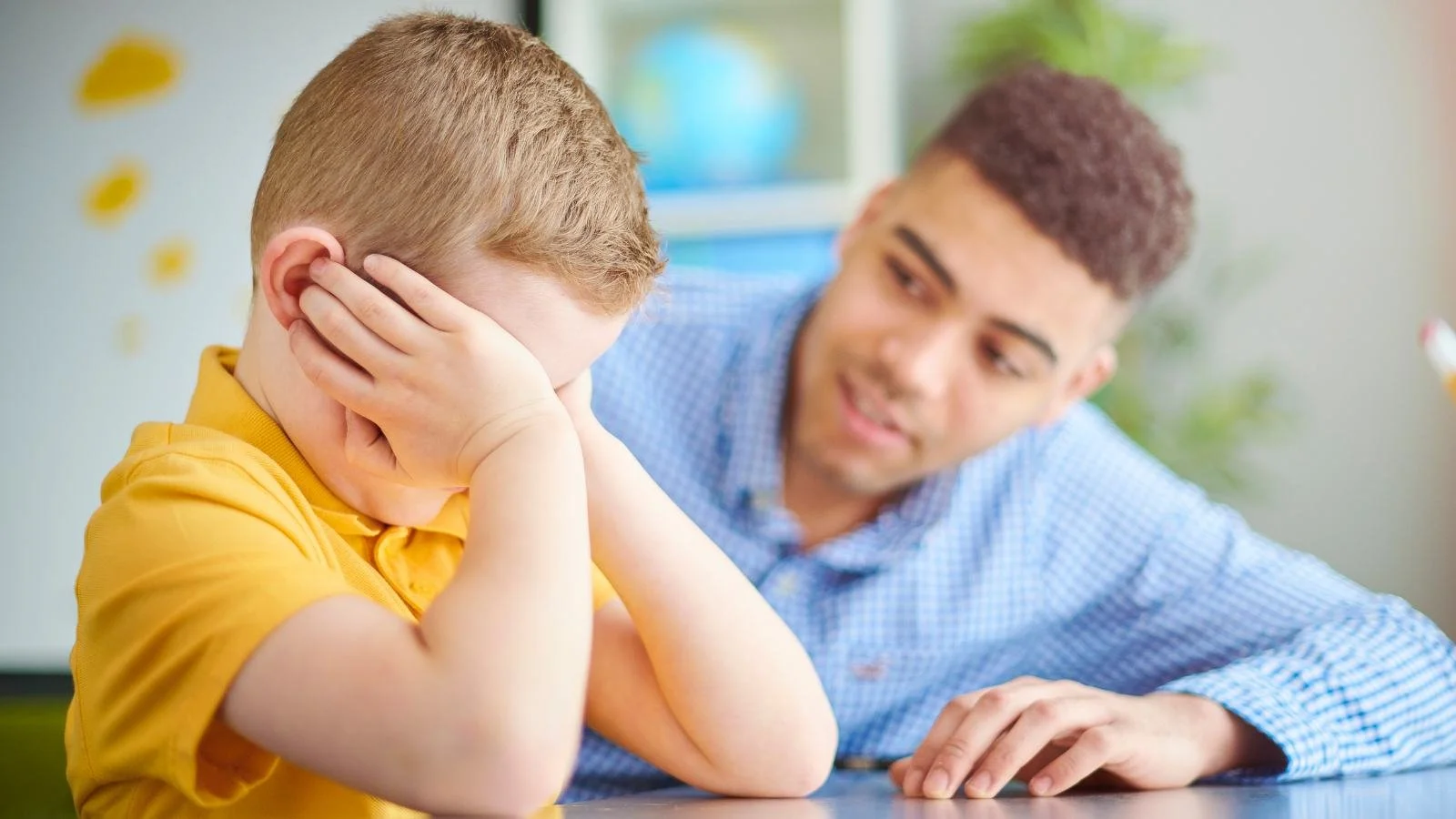
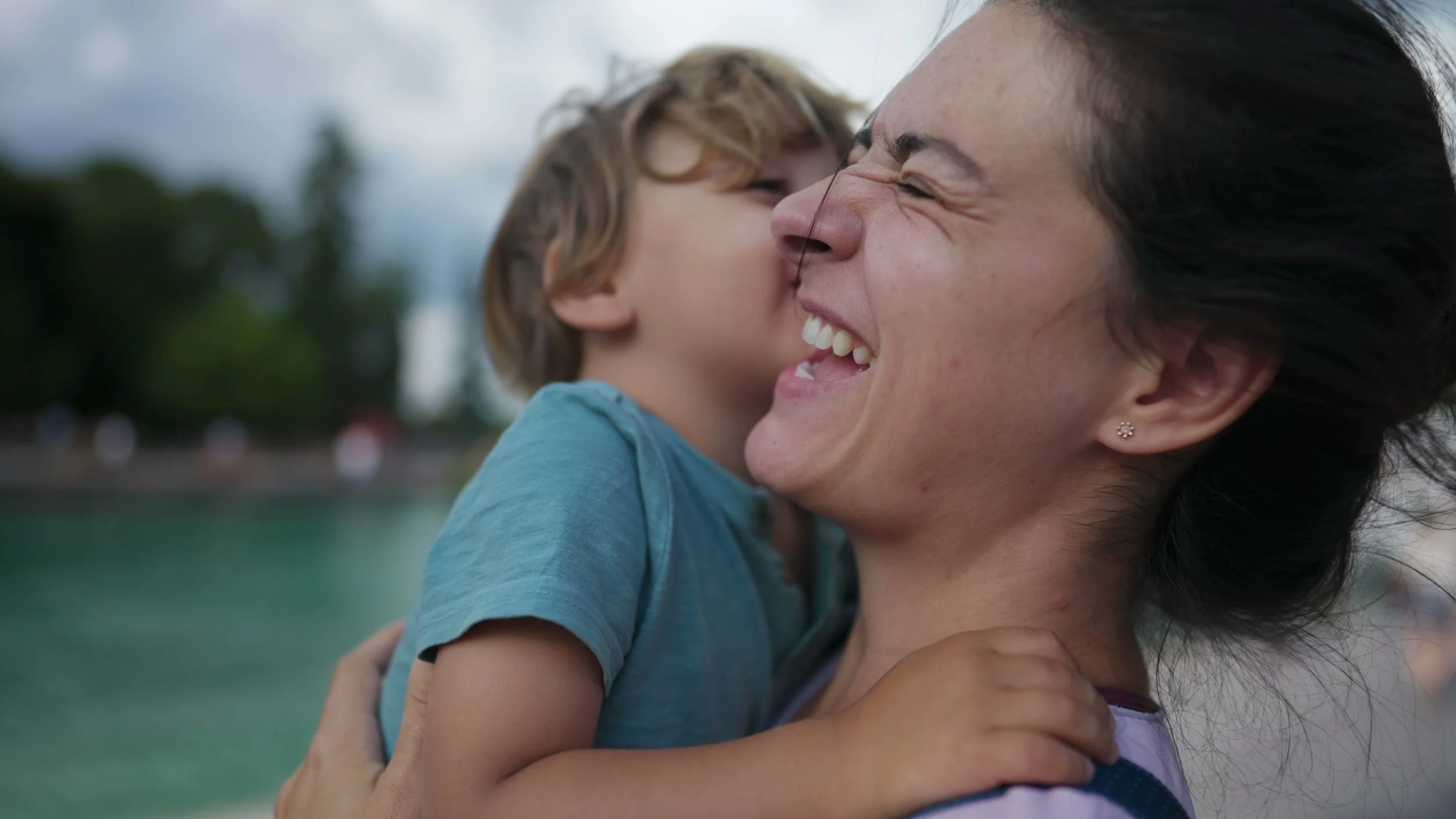
The Importance of Attachment After Childhood Brain Injury: Supporting Healing Through Relationships
When a child experiences a brain injury, the focus often centres on medical care, rehabilitation, and cognitive recovery. While these aspects are essential, one of the most powerful influences on a child’s long-term wellbeing is sometimes less visible: attachment.
Attachment is the emotional bond between a child and their caregivers. It provides the foundation for safety, trust, and development. After a brain injury, this attachment can be disrupted, strained, or reshaped. Prioritising attachment, and using attachment-based therapies, is crucial not only for the child’s recovery but for the wellbeing of the entire family.

Paediatric Neuropsychology: Psychological Therapies That Support the Whole System
There is no one-size-fits-all approach, but a combination of therapies can provide powerful support for families navigating brain injury. Our team are trained to combine multiple different approaches underpinned by our developmental neuropsychological framework, so we can tailor our packages to the specific needs of the child, their family, and the team supporting them.
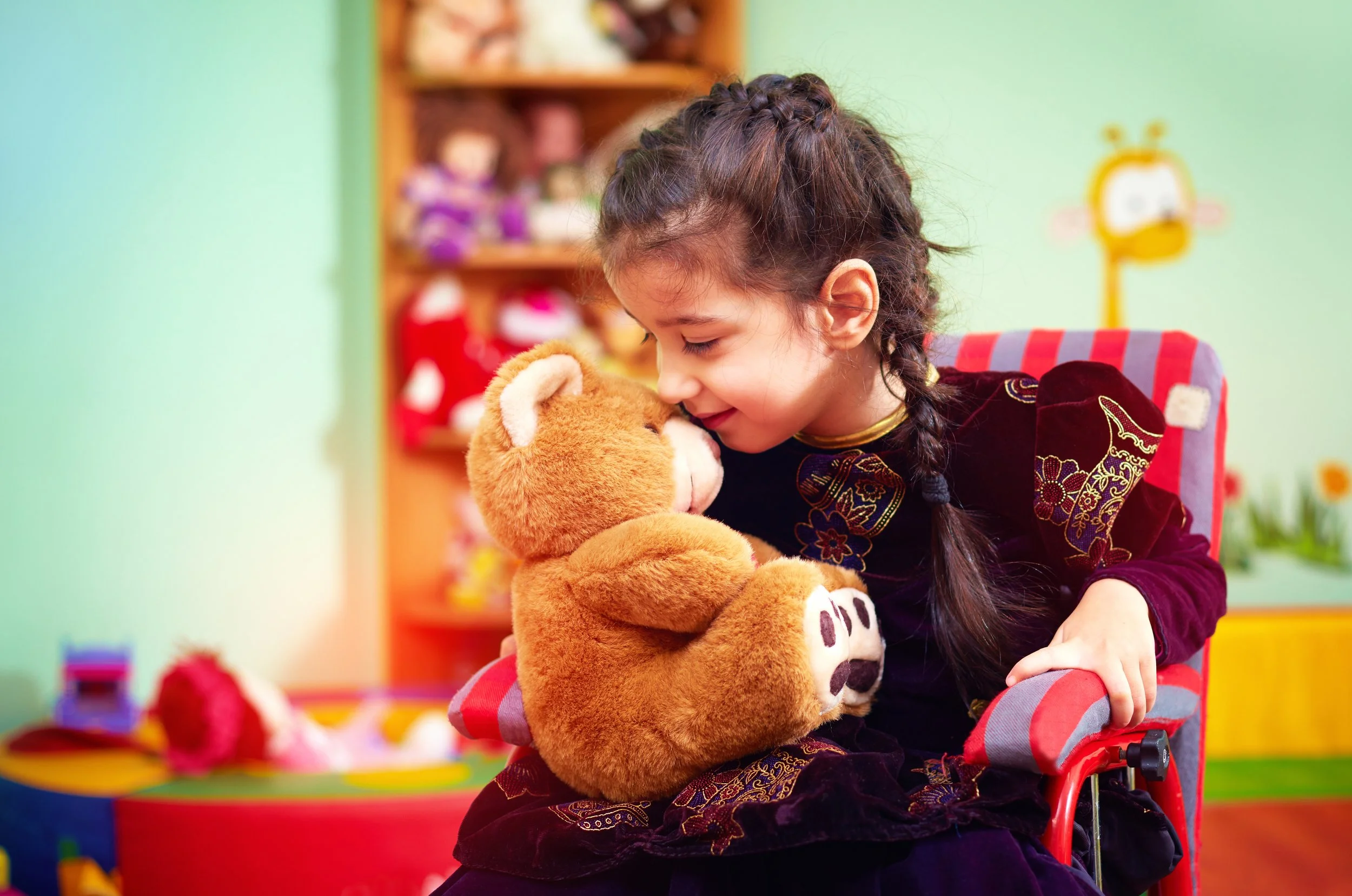
Did you know children with spinal injuries are at increased risk of neuropsychological difficulties?
There can be substantial cognitive difficulties in children with spinal cord injuries. Chronic injuries are at greater risk of ongoing difficulties, so integrating neuropsychological principles offers promise for improving the overall recovery and quality of life.
Neuropsychological assessment can help in formulate cognitive, emotional and behavioural presentation. Recommendations can inform the ongoing enrichment and multidisciplinary intervention to maximise their skills, while providing support for the child and family to thrive and reach their potential.

So many psychologists! What’s the difference between a clinical psychologist, an educational psychologist, and a neuropsychologist?
If you’re a parent, carer, school lead, or case manager, the titles can be confusing. Here’s a clear guide that explains who does what, where they work, and how to choose the right professional for your child or family.
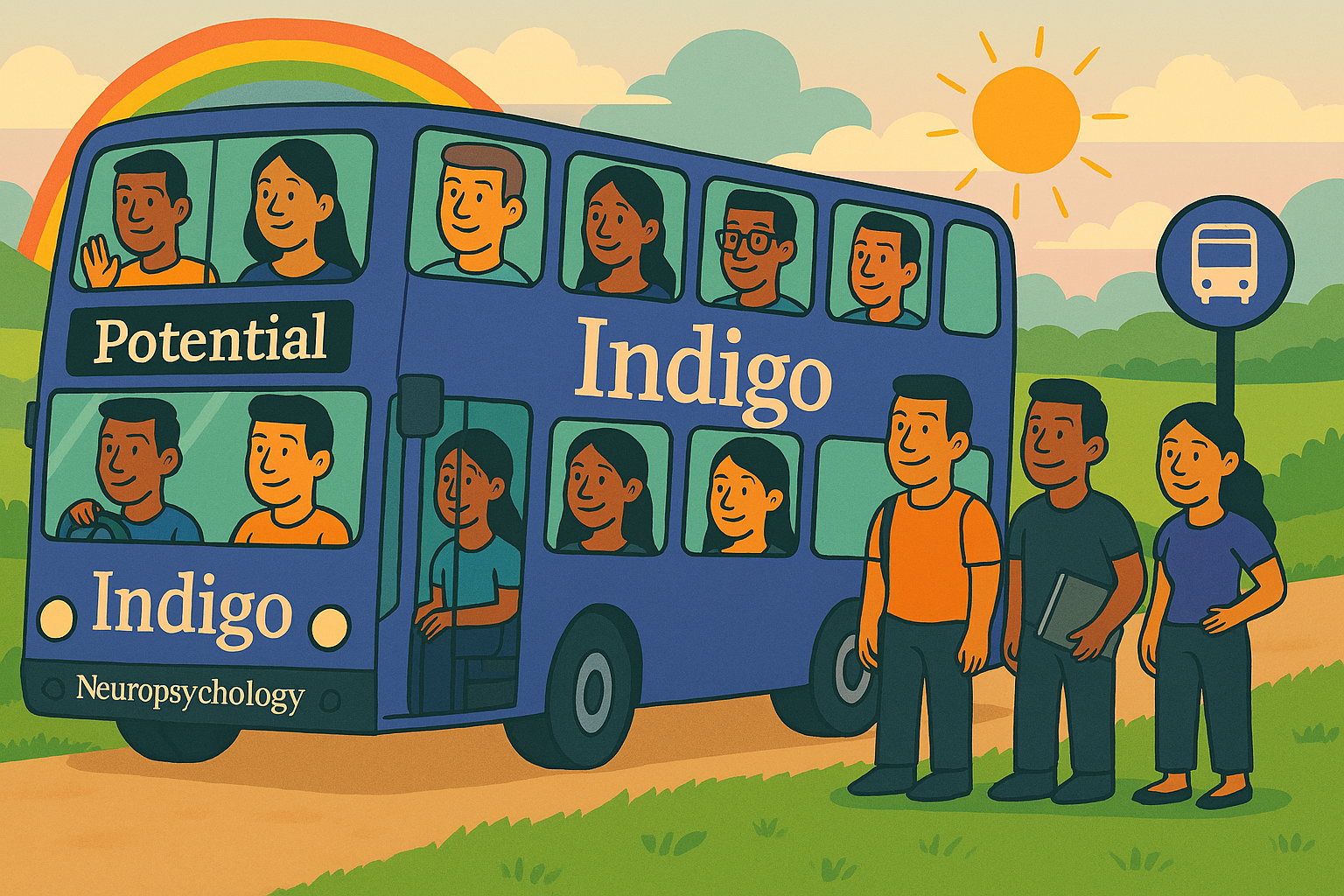
“Authentic, straightforward & human” - what it takes to be on the Indigo bus…
At Indigo Neuropsychology, we advocate for children with complex needs, bridging clinical and educational systems while maintaining a focus on each individual’s story.
Excellent clinical experience is a table-stake for our team, but we seek out more than this. Read on to find out more about what it takes to work for our team and our expectations of how our customers will experience working with us.
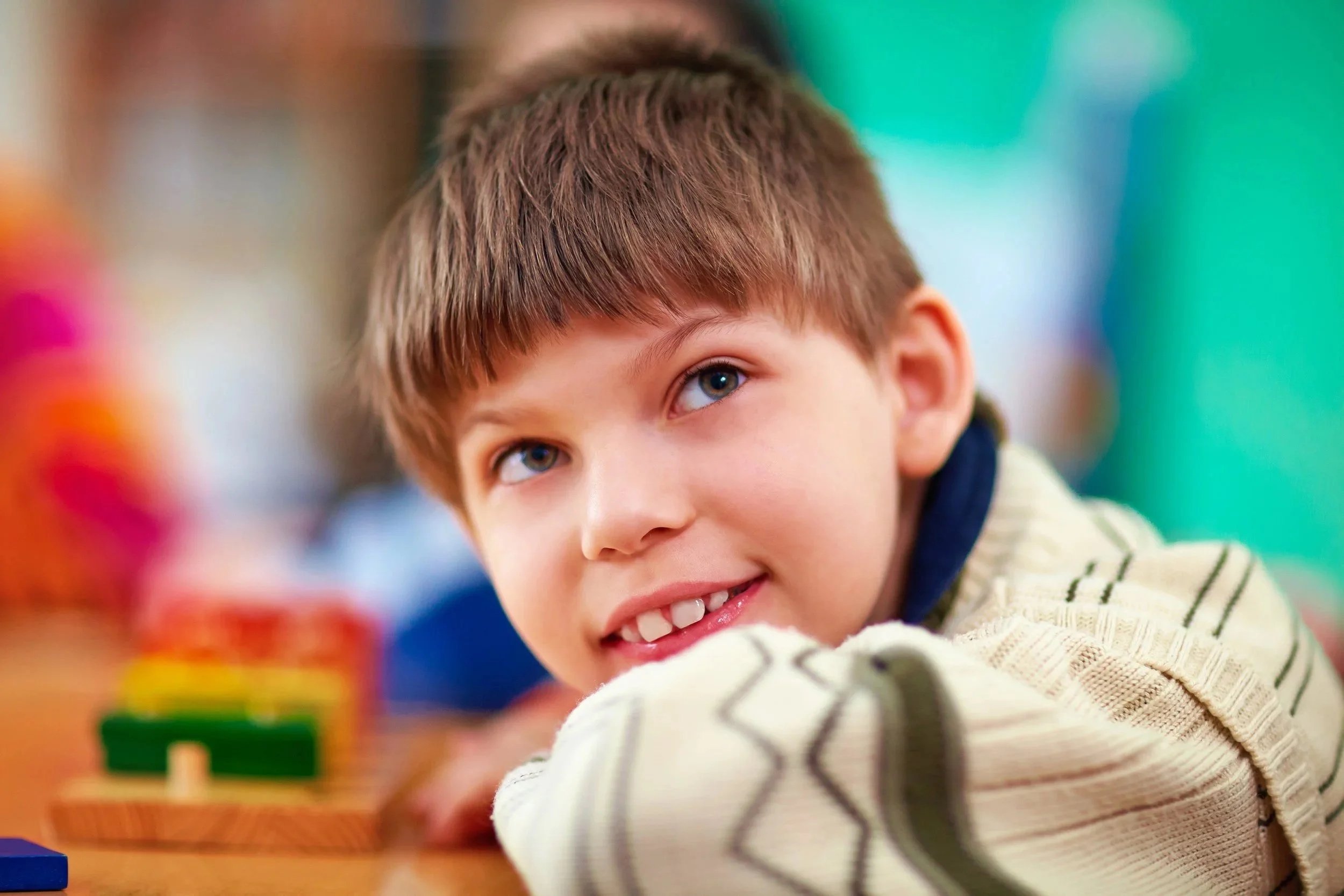
Brain injury in children - why is this so different to adults?
Children are not “small adults.” When a child sustains an acquired brain injury (ABI), from concussion through to moderate-severe traumatic brain injury (TBI), infection, tumour, stroke, or hypoxia—the effects unfold against the backdrop of a developing brain and a growing child. That changes what is affected, when difficulties appear, and how best to support recovery.
As a paediatric neuropsychologist, I’m often asked why the same diagnosis can look so different in a 9‑year‑old compared with a 39‑year‑old. Here’s a clear, practical guide for families, schools, and professionals.
What does a ‘trauma-informed approach’ really mean?
Traumainformed practice has become a familiar phrase across health, education, and social care. Yet in paediatric neurorehabilitation—where children and families often arrive with complex medical, developmental, and emotional histories—the term is sometimes used without a full appreciation of what it truly demands.
A traumainformed approach is not a soft addon. It is a clinical, operational, and relational framework that shapes every interaction, decision, and pathway. This blog unpacks what traumainformed practice really means in our field, why birth trauma matters, and how case managers can embed this approach into everyday work.
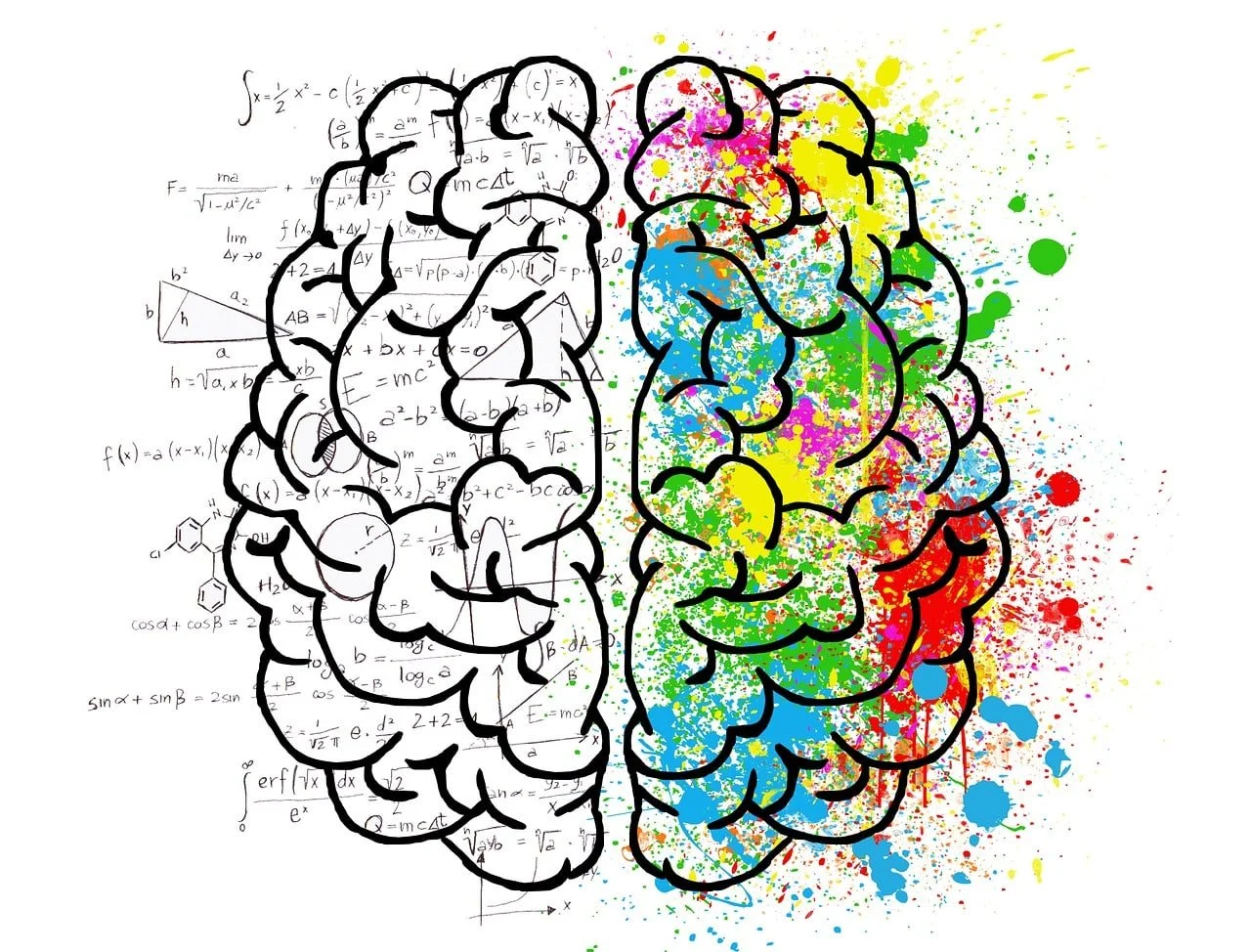
How a neuropsychologist can help your child’s development after brain injury.
When a child sustains a brain injury, whether from an accident, illness, infection, tumour, or hypoxic event, the impact can ripple through every part of life: learning, emotions, friendships, behaviour, and daily routines. Families often notice that while the visible injuries heal, “invisible” changes in attention, memory, processing speed, and self-regulation linger. This is where a paediatric neuropsychologist can make a profound difference by helping to understand what’s changed, building a plan for recovery, and supporting your child to thrive at home and school.
Did you know children with spinal injuries are at increased risk of neuropsychological difficulties?
There can be substantial cognitive difficulties in children with spinal cord injuries. Chronic injuries are at greater risk of ongoing difficulties, so integrating neuropsychological principles offers promise for improving the overall recovery and quality of life.
Neuropsychological assessment can help in formulate cognitive, emotional and behavioural presentation. Recommendations can inform the ongoing enrichment and multidisciplinary intervention to maximise their skills, while providing support for the child and family to thrive and reach their potential.