
Using Positive Behaviour Support (PBS) to understand and manage behaviour after childhood brain injury
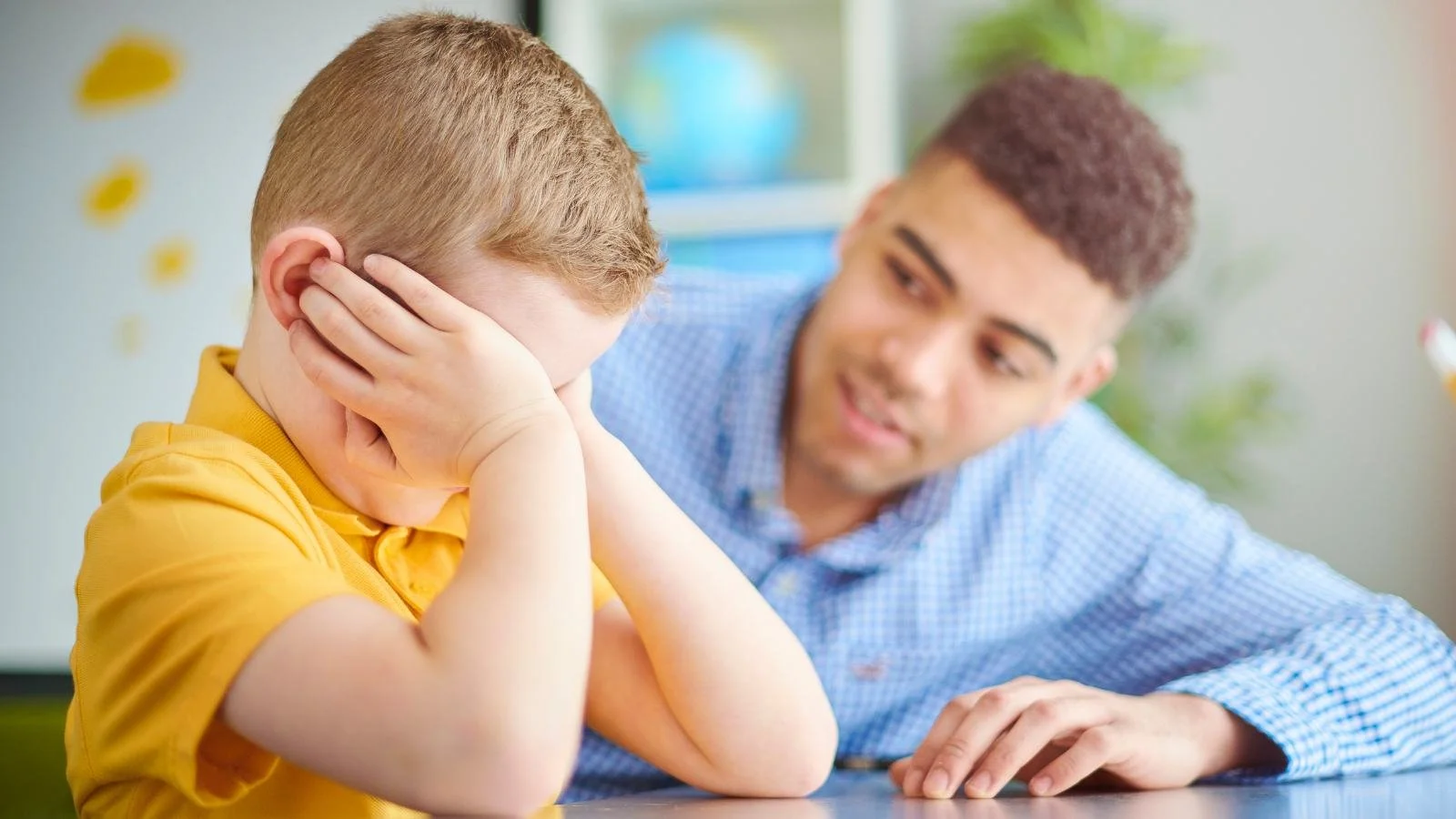
A childhood brain injury can have a profound impact on every aspect of a young person's life. Changes in communication, emotional regulation, and the ability to cope with everyday situations can present significant challenges, not only for the child but also for those who support them. One of the most difficult consequences can be an increase in behaviours that challenge, which can affect the child's quality of life, relationships, and participation in everyday activities.
This is where Positive Behaviour Support (PBS) can play an important role. PBS is a person-centred, evidence-based approach that seeks to understand the reasons behind behaviours that challenge, improve quality of life by teaching new skills, adapting environments, and providing consistent, proactive support. The primary focus is about understanding why behaviours may occur and create supportive and nurturing environments that allow children to thrive. PBS encourages families, schools, and professionals to look beyond the behaviour and ask, "What is this child trying to communicate?" leading to a shift in understanding. The plan is unique to the child; and recognises that brain injury can affect each child differently depending on the location and severity of the injury, their age and individual strengths.
PBS hones in on understanding different types of triggers that may lead to behaviours that challenge though the process of functional assessments, observations of the child in different settings, and gaining the child’s view about their distress through a variety of methods, that allows for differences in communication. By identifying these triggers, proactive supportive strategies can be developed to reduce stress and prevent behaviours from escalating.
In addition to this, PBS also focuses on teaching new skills. Children are supported to develop alternative ways of communicating their needs, managing emotions, solving problems, and coping with difficult situations. These skills can increase confidence, promote independence, and improve relationships with family members, teachers, and peers.
Collaboration is another essential part of a successful PBS plan. By working together with the child and the system, consistent strategies can be put into place across multiple settings, helping children feel contained and supported no matter where they are. Plans are updated and changed when circumstances shift, and this can ensure that support remains meaningful and effective over time.
In conclusion, PBS can be a highly effective intervention for children with a brain injury and their support systems, providing a holistic, multifaceted approach to improving quality of life.