
The Importance of Attachment After Childhood Brain Injury: Supporting Healing Through Relationships
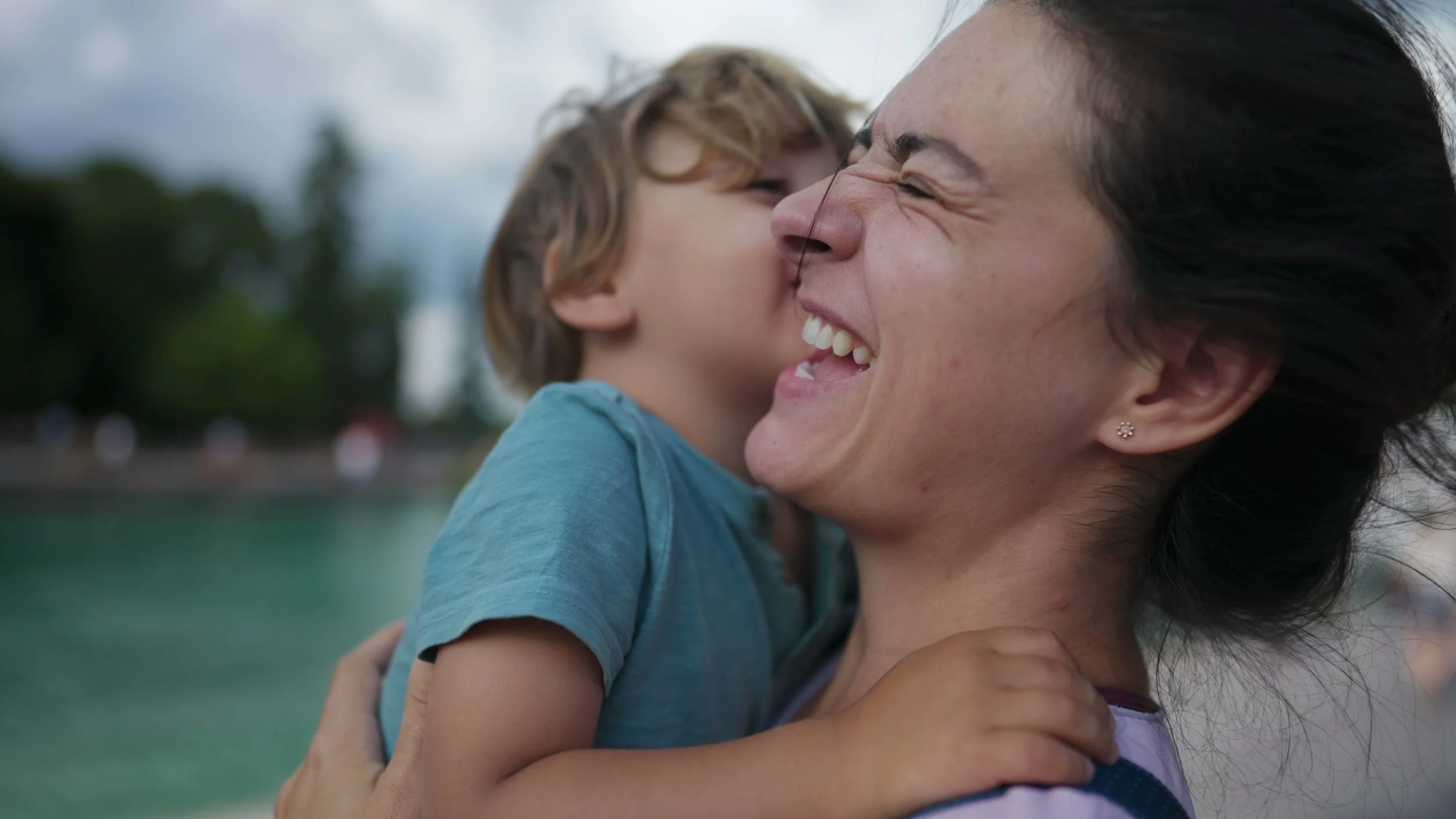
When a child experiences a brain injury, the focus often centres on medical care, rehabilitation and cognitive recovery. While these aspects are essential, one of the most powerful influences on a child’s long-term wellbeing is sometimes less visible: attachment.
Attachment is the emotional bond between a child and their caregivers. It provides the foundation for safety, trust, and development. After a brain injury, this attachment can be disrupted, strained, or reshaped. Prioritising attachment, and using attachment-based therapies, is crucial not only for the child’s recovery but for the wellbeing of the entire family.
Why Attachment Matters After Brain Injury
Attachment is built through consistent, responsive caregiving. It helps children regulate their emotions, develop a sense of security, and build relationships with others. Following a brain injury, a child may either develop with differences, or experience changes in:
Emotional regulation (e.g. increased frustration, anxiety, or mood swings)
Behaviour (e.g. impulsivity, withdrawal, or aggression)
Communication and social interaction
Cognitive processing and understanding
These changes can make it harder for the child to express needs or for caregivers to interpret them. As a result, early attachment relationships may develop differently, or previously secure attachment patterns may become strained.
Parents may need support after their child has experienced a brain injury at birth to both process their own feelings of potential trauma, grief and loss as well as developing the optimal attachment relationship with their child. For parents when their child’s brain injury is traumatic and / or occurs as a child is growing older, this can feel like losing the connection they once had with their child. For the child, it can feel confusing and isolating. Without support, this disruption can lead to increased stress, misunderstandings, and emotional distance.
However, attachment is not fixed, it can be repaired and strengthened, even after significant challenges.
The Role of Parents and Caregivers
Parents remain the most important source of stability for a child following brain injury. Even if the child’s behaviour changes, their need for safety, connection, and attuned caregiving remains constant—if not heightened.
Caregivers may need to adapt how they respond by:
Interpreting behaviour as communication rather than defiance
Providing consistent emotional reassurance
Adjusting expectations to align with the child’s current abilities
Managing their own emotional responses to reduce stress within interactions
This can be incredibly demanding. Parents are often coping with their own grief, anxiety, and exhaustion. Without support, it becomes much harder to maintain the emotional availability that secure attachment requires.
How Brain Injury Can Impact Attachment
Brain injury can affect the neurological systems involved in emotional regulation and social connection. This may result in:
Reduced ability to read social cues
Heightened emotional reactivity
Difficulty self-soothing
Changes in personality or responsiveness
These changes can unintentionally disrupt the reciprocal nature of attachment relationships. For example, a child who no longer responds warmly or predictably may leave parents feeling rejected or unsure how to connect. Recognising that these changes are brain-based rather than intentional is a key step in preserving attachment. Attachment-based therapies that focus on developing attachment relationships supports parents/caregivers to provide a safe, nurturing environment that facilitates them to feel empowered and maximises outcomes for the child.